1. Introduction: Understanding the Different Types of Artificial Intelligence in 2026
Artificial Intelligence has rapidly evolved into the most influential technology of our generation. As we enter 2026, types of AI are deeply integrated into everyday life—powering search engines, medical diagnostics, finance, content creation, automation, and even personal digital assistants. Because AI is expanding so quickly, beginners often search for clear and simple explanations of the types of AI, how they work, and what makes them different. Understanding these categories is the first step in learning how AI shapes the modern world.
In 2026, experts commonly classify types of AI using several frameworks. The most popular and beginner-friendly way is distinguishing between Strong AI vs Weak AI, also known as General AI vs Narrow AI. Narrow AI (Weak AI) is the type of AI that dominates the world today. It performs specific tasks—like translation, image recognition, chatbots, or fraud detection—but it cannot think or reason like humans. On the other hand, General AI (Strong AI) aims to reach human-level intelligence, with the ability to understand, learn, reason, and perform any task a person can do. While AGI has not fully arrived yet in 2026, major advancements are being made toward it.
Another important reason to learn about AI categories in 2026 is the rising number of industries adopting advanced intelligent systems. From self-driving cars to predictive healthcare to automated trading, each application uses a different AI model. This is why terms like types of AI explained, machine learning types, and different types of AI technologies are trending search topics on Google.
A clear understanding of these types of AI classifications helps beginners understand how modern systems work and prepares them for the future types of AI that will shape the coming decade. This blog will guide you through each type in simple, beginner-friendly language.

What Are the Main Types of AI?
Artificial Intelligence has grown dramatically in the last decade, and by 2026, it will have become essential to every major industry. But for beginners, the biggest confusion is often understanding the main types of AI and how they differ from each other. When people search on Google for terms like “AI types explained,” “narrow AI vs general AI,” “strong AI vs weak AI,” or “different types of AI technologies,” they want a clear and simple breakdown of how AI is categorized. In this section, we explore the main types of AI in a beginner-friendly way, helping you understand exactly where modern AI stands today and where it is going in the future.
In 2026, AI is commonly classified in two major ways:
A. Types of AI Based on Capabilities
This is the most popular and widely used classification. It explains how “smart” the types of AI actually are and how closely they compare to human intelligence.
1. Narrow AI (Weak AI)
This type of AI performs a single, specialized task extremely well but cannot think or reason like humans. Almost all AI tools we use today—including voice assistants, chatbots, recommendation systems, image recognition models, trading bots, and predictive analytics—fall under Narrow AI.
This is also known as Weak AI, not because it is powerless, but because its intelligence is limited to a specific role.
2. General AI (Strong AI / AGI)
General AI represents human-level intelligence. AGI would be able to learn, understand, and perform any intellectual task that a human can do.
In 2026, AGI is still in development, but advanced models are emerging that can reason, learn from fewer examples, and understand complex relationships across tasks.
This is often referred to as Strong AI, in contrast to today’s Narrow AI.
3. Superintelligent AI (ASI)
Superintelligent AI goes far beyond human intelligence. It represents the future stage where AI could outperform humans in creativity, strategic thinking, emotional intelligence, problem-solving, and decision-making.
Although ASI does not exist yet, it is one of the most discussed future types of AI.
B. Types of AI Based on Functionality
This classification focuses on how the AI system operates internally.
1. Reactive Machines
The oldest and simplest form of AI. These systems cannot learn from the past and only react to current situations.
2. Limited Memory AI
The most common type in 2026. These systems learn from historical data to make predictions—this includes most machine learning and deep learning models.
3. Theory of Mind AI
A developing category where AI systems understand emotions, human intentions, and social behavior.
4. Self-Aware AI
The most advanced form of AI—still theoretical in 2026—where machines gain consciousness and self-awareness.
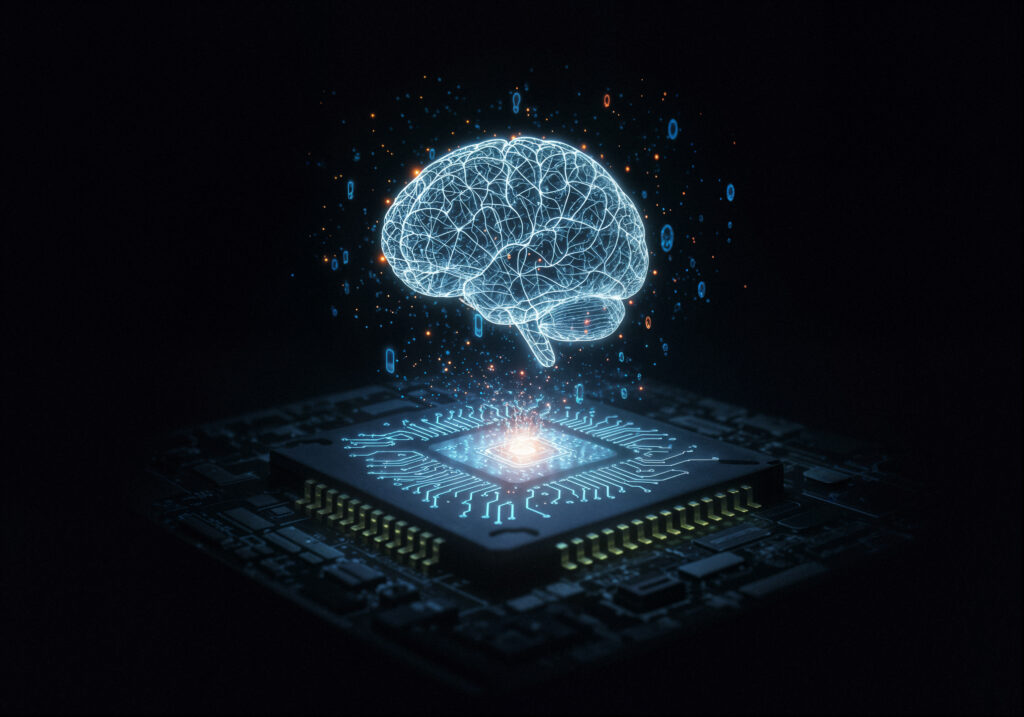
Narrow AI (Weak AI): The Most Common Type of AI in 2026
Among the types of artificial intelligence, Narrow AI, also called Weak AI, is the most widely used in 2026. It is the AI we encounter every day, from voice assistants like Siri and Alexa to recommendation engines on Netflix, YouTube, or e-commerce platforms. Narrow AI is designed to perform specific tasks extremely well, but unlike humans, it cannot think independently or apply knowledge outside its specialized area. Understanding Narrow AI vs General AI is critical for anyone trying to grasp the AI landscape in 2026.
What Makes Narrow AI “Weak”?
The term “weak” can be misleading. Narrow AI is not weak in capability—it is highly powerful within its designed scope. Its limitation lies in generalization. A Narrow AI system trained to detect fraudulent transactions cannot suddenly play chess or understand human language without retraining or modification. In other words, it lacks flexible, human-like intelligence, which is what differentiates it from Strong AI (General AI).
Key Characteristics of Narrow AI in 2026
-
Task-Specific – Narrow AI excels in one task at a time.
-
High Accuracy – It can process large amounts of data and make precise predictions.
-
Dependent on Data – The AI’s performance relies heavily on training data quality.
-
Widely Adopted – Nearly all practical AI applications today are Narrow AI.
Examples of Narrow AI in 2026
-
Virtual Assistants: ChatGPT-like tools, Siri, Alexa, and Google Assistant.
-
Recommendation Systems: Netflix movie suggestions, Spotify playlists, and Amazon product recommendations.
-
Autonomous Vehicles: AI systems that detect obstacles, read traffic signals, and make driving decisions.
-
Healthcare AI: Diagnostic tools that analyze medical images or predict disease risks.
-
Finance: AI algorithms used in fraud detection, stock market predictions, and credit scoring.
These examples demonstrate the different types of AI technologies currently dominating industries. Narrow AI is practical, efficient, and highly reliable for specific applications—which is why it is the backbone of AI adoption worldwide in 2026.
Narrow AI vs General AI
In discussions about AI, you will often hear the term “Narrow AI vs General AI.” While Narrow AI focuses on single tasks, General AI (AGI) aims to mimic human reasoning, decision-making, and learning capabilities across multiple domains. Narrow AI is the present, while General AI represents the future of intelligence.
Why Understanding Narrow AI Matters in 2026
Understanding Narrow AI is essential for beginners and professionals alike. It provides a foundation for grasping AI categories in 2026 and recognizing the limitations and potential of AI systems. As businesses and industries increasingly integrate AI, knowing what Narrow AI can and cannot do helps organizations make smarter decisions about automation, data analysis, and digital transformation strategies.
In conclusion, Narrow AI is the most practical and widely used AI type in 2026. It powers almost every AI application you see today and is a stepping stone toward more advanced systems like General AI and Superintelligent AI. Learning about Narrow AI first gives you the tools to understand the future types of AI and how intelligent systems will evolve in the coming years.

General AI (Strong AI): Human-Level Intelligence Explained
While Narrow AI (Weak AI) dominates the technology landscape in 2026, General AI, also known as Strong AI or Artificial General Intelligence (AGI), represents the next evolution of artificial intelligence. Unlike Narrow AI, which is designed to perform specific tasks, General AI is capable of human-level understanding, reasoning, and decision-making across multiple domains. It is designed to learn and apply knowledge in ways that mimic human intelligence, making it one of the most anticipated and exciting types of artificial intelligence in 2026.
What Makes General AI “Strong”?
The term Strong AI reflects the system’s ability to understand, learn, and apply knowledge broadly, unlike Weak AI, which is restricted to specific tasks. While Weak AI might recognize images, process language, or recommend products, General AI can perform these tasks and also reason, plan, solve novel problems, and transfer knowledge from one domain to another. This ability to generalize knowledge is what sets General AI apart and makes it the future of AI development.
Key Characteristics of General AI
-
Human-Level Intelligence: AGI systems are designed to match or exceed human cognitive abilities.
-
Learning Across Domains: Unlike Narrow AI, which specializes in a single task, General AI can learn and perform multiple tasks.
-
Autonomous Decision-Making: Strong AI can make decisions without human intervention, based on reasoning and context.
-
Adaptability: It can apply knowledge from one area to another, demonstrating flexible thinking similar to humans.
Narrow AI vs General AI
The distinction between Narrow AI and General AI is crucial in understanding AI categories in 2026. Narrow AI is task-specific and limited, while General AI aims to understand and perform any intellectual task a human can do. Many experts believe we are still in the Narrow AI era, with AGI currently in experimental and research stages. However, breakthroughs in deep learning, neural networks, and cognitive computing are steadily bringing us closer to achieving General AI.
Current Progress in 2026
In 2026, General AI is emerging in advanced research labs and specialized applications. While full AGI has not yet been achieved, several AI models can:
-
Solve complex, multi-step problems
-
Understand human language and context at a higher level
-
Learn efficiently from limited data
-
Simulate reasoning processes similar to human thinking
These developments indicate that future types of AI will increasingly resemble human intelligence, leading to more autonomous and intelligent systems across industries.
Why Understanding General AI Matters
Learning about General AI is essential for beginners and professionals. It allows us to distinguish between strong AI vs weak AI and recognize the potential and limitations of AI systems. As AI continues to evolve, understanding General AI helps us prepare for ethical, social, and technological challenges, as well as future opportunities in automation, research, and innovation.
In summary, General AI (Strong AI) represents the next frontier in artificial intelligence. While Narrow AI powers our world today, General AI promises a future where machines can think, reason, and learn like humans, marking a significant milestone in the evolution of intelligent technologies.

Superintelligent AI (ASI): The Future Beyond Human Intelligence
As we explore the types of artificial intelligence, one of the most fascinating and debated topics is Superintelligent AI, also known as Artificial Superintelligence (ASI). Unlike Narrow AI, which performs specific tasks, or General AI (Strong AI), which can match human intelligence, Superintelligent AI surpasses human cognitive abilities in every possible domain. In 2026, ASI remains a theoretical concept, but it represents the ultimate evolution of AI and one of the most transformative future types of AI.
What Is Superintelligent AI?
Superintelligent AI is a type of artificial intelligence that can outperform humans not only in reasoning and problem-solving but also in creativity, decision-making, and emotional intelligence. While Narrow AI is highly specialized and General AI aims to replicate human-level intelligence, ASI takes this further by being far more intelligent than the best human minds in virtually every field. This includes scientific research, engineering, medicine, strategy, and even interpersonal skills.
Key Characteristics of Superintelligent AI
-
Beyond Human Intelligence: ASI systems could understand complex concepts and solve problems far beyond human capacity.
-
Self-Improving: Superintelligent AI could continuously enhance its own algorithms and knowledge without human intervention.
-
Multidomain Expertise: Unlike Narrow AI or even General AI, ASI can handle a virtually unlimited range of tasks simultaneously.
-
Strategic Reasoning: ASI could plan, predict, and make decisions with a level of precision and foresight impossible for humans.
Why ASI Matters for the Future
Although ASI does not exist in 2026, it is the ultimate goal of many AI researchers. The potential impact of Superintelligent AI is enormous: it could accelerate technological innovation, solve global problems like climate change and disease, and drive economic growth. However, it also raises serious ethical and safety concerns. Without proper controls, ASI could operate independently in ways that may be unpredictable or even dangerous.
Superintelligent AI vs General AI
To understand the AI landscape in 2026, it is important to compare Superintelligent AI with General AI. General AI aims to replicate human intelligence, while Superintelligent AI goes far beyond, improving and scaling its abilities faster than humans can comprehend. In other words, all ASI systems are General AI, but not all General AI systems are ASI.
The Role of Superintelligent AI in 2026 and Beyond
As AI research progresses, discussions around ASI are becoming more prevalent. Scholars, scientists, and technologists focus on:
-
Ethical frameworks to guide ASI development
-
Safety mechanisms to prevent misuse
-
Collaborative human–AI systems to maximize benefits
Understanding Superintelligent AI is essential for anyone exploring AI in 2026 because it represents the potential future types of AI that will shape economies, technologies, and societies for decades to come.
Conclusion
Superintelligent AI is the pinnacle of artificial intelligence evolution. While it remains theoretical in 2026, learning about ASI helps beginners and professionals understand the full scope of AI categories in 2026, the differences between Narrow AI, General AI, and ASI, and the possibilities of future types of AI that may redefine the way humans live, work, and think.
The 4 Types of AI Based on Capabilities
When learning about types of artificial intelligence, it is helpful to understand AI based on its capabilities. This classification, widely used by experts in 2026, divides AI into four main types: Reactive Machines, Limited Memory, Theory of Mind, and Self-Aware AI. These categories describe how intelligent a system is, how it learns, and how it interacts with its environment, offering a beginner-friendly way to grasp the current and future landscape of AI.
1. Reactive Machines
Reactive Machines are the simplest type of AI. They operate purely on the present input and do not store past experiences or learn from them. These systems can perform specific tasks very efficiently but cannot improve their performance over time.
Example: IBM’s Deep Blue chess computer is a classic example. It could analyze thousands of possible moves and beat human players but had no memory or learning ability beyond the rules programmed into it.
Key Points:
-
Cannot form memories
-
Cannot learn from past experiences
-
Reacts to real-time input
-
Useful for highly specialized, repetitive tasks
2. Limited Memory AI
Limited Memory AI represents the majority of AI systems in 2026. These systems can store temporary data and use it to improve decision-making. Most machine learning models, self-driving cars, and recommendation engines fall under this category.
Example: Self-driving vehicles analyze past traffic patterns, detect road signs, and predict the behavior of other drivers to make real-time driving decisions.
Key Points:
-
Stores short-term information for better decision-making
-
Learns from historical data
-
Most practical AI applications today
-
Forms the foundation of modern Narrow AI
3. Theory of Mind AI
Theory of Mind AI is an advanced type of AI currently in research and development. These systems aim to understand human emotions, intentions, beliefs, and social interactions.
Example: A customer service AI that can detect frustration in a caller’s voice and adapt responses accordingly.
Key Points:
-
Can understand human behavior and emotions
-
Supports social intelligence applications
-
Still largely experimental in 2026
-
Bridges the gap toward General AI
4. Self-Aware AI
Self-Aware AI is the most advanced and theoretical type of AI. These systems would possess consciousness and self-awareness, able to understand their existence and make independent decisions.
Example: Currently, no practical examples exist in 2026. This type is purely hypothetical and represents the ultimate stage of artificial intelligence.
Key Points:
-
Has consciousness and awareness of self
-
Capable of independent decision-making
-
Could surpass human intelligence
-
Forms the theoretical foundation for Superintelligent AI
AI Types Based on Functionality
In addition to classifying AI by capabilities, experts in 2026 also organize types of artificial intelligence based on functionality. This approach focuses on how AI systems operate, process information, and interact with their environment. Understanding AI through this lens helps beginners and professionals distinguish between simple, specialized systems and advanced, adaptive machines. The main functional categories of AI are: Reactive Machines, Limited Memory, Theory of Mind, and Self-Aware AI—each representing a step toward more intelligent and autonomous systems.
1. Reactive Machines
Reactive Machines are the simplest type of functional AI. They analyze current data and respond to specific inputs in real-time but do not store past experiences. These systems cannot learn or adapt over time, making them highly specialized but limited.
Example: IBM’s Deep Blue chess computer is a classic case of a Reactive Machine. It could process millions of possible moves and defeat human opponents, yet it had no memory or learning ability beyond its programming.
Key Points:
-
Operates only on present data
-
Cannot learn from the past
-
Ideal for repetitive, rule-based tasks
2. Limited Memory AI
Limited Memory AI is the most common type in 2026. These systems can store temporary data and learn from it to improve future decisions. Most modern AI applications, including self-driving cars, fraud detection systems, and recommendation engines, are powered by Limited Memory AI.
Example: Autonomous vehicles use historical traffic data and real-time sensor information to predict pedestrian movements, avoid collisions, and navigate complex environments.
Key Points:
-
Stores and uses past data
-
Learns and adapts in limited ways
-
Forms the basis of most Narrow AI systems
-
Essential for predictive analytics, machine learning models, and robotics
3. Theory of Mind AI
Theory of Mind AI is an advanced, experimental AI category. These systems are designed to understand human emotions, intentions, beliefs, and social interactions. This type of AI is critical for developing emotionally intelligent machines that can interact naturally with humans.
Example: An AI customer service assistant that detects frustration or satisfaction in a caller’s voice and adapts its responses accordingly.
Key Points:
-
Understands human emotions and intentions
-
Supports human–AI interaction
-
Still largely in research and development
-
Bridges the gap toward General AI
4. Self-Aware AI
Self-Aware AI is the most advanced and theoretical functional type. These systems would have consciousness and awareness of their own existence, allowing them to make independent decisions, plan, and adapt in ways humans cannot fully predict.
Example: No practical examples exist in 2026. Self-Aware AI remains a hypothetical concept and forms the foundation for Superintelligent AI (ASI).
Key Points:
-
Possesses self-awareness and consciousness
-
Operates independently
-
Could surpass human intelligence
-
Represents the ultimate goal of AI evolution

Conclusion: Understanding Types of AI in 2026 and Beyond
Artificial Intelligence has evolved from a futuristic concept into a powerful technology shaping nearly every aspect of modern life. By 2026, understanding the types of artificial intelligence is no longer optional—it is essential for students, professionals, entrepreneurs, and anyone interested in technology. This blog has explored AI from multiple perspectives, including capabilities, functionality, and emerging technologies, providing a clear, beginner-friendly guide to the AI landscape.
One of the most important distinctions in AI is between Narrow AI (Weak AI), General AI (Strong AI / AGI), and Superintelligent AI (ASI). Narrow AI dominates the world today, powering tools like virtual assistants, recommendation systems, autonomous vehicles, and predictive analytics. These systems are highly specialized and task-specific, excelling in their fields but limited in flexibility. Understanding Narrow AI vs General AI helps beginners see the difference between today’s practical applications and the broader goals of AI research.
General AI (Strong AI) represents the next stage of evolution. Unlike Narrow AI, AGI can learn, reason, and solve problems across multiple domains, similar to human intelligence. While full-scale General AI is still in development in 2026, significant advances in cognitive computing, deep learning, and neural networks indicate that human-level AI is gradually becoming feasible.
Beyond General AI, Superintelligent AI (ASI) represents the ultimate potential of AI—systems that could surpass human intelligence in every dimension. Although theoretical, ASI challenges us to think about ethics, safety, and the societal implications of highly autonomous, intelligent machines. Understanding these future types of AI allows us to prepare for technological, economic, and social transformations in the decades ahead.
AI can also be classified by functionality, including Reactive Machines, Limited Memory AI, Theory of Mind AI, and Self-Aware AI. This framework provides insight into how AI systems operate, learn, and interact with their environment. Limited Memory AI powers most practical applications today, while Theory of Mind and Self-Aware AI represent advanced, emerging technologies that will shape the future.
In conclusion, learning about the different types of AI technologies and AI categories in 2026 gives beginners a comprehensive understanding of both current systems and potential future innovations. From the practical applications of Narrow AI to the exciting possibilities of General AI and Superintelligent AI, the world of artificial intelligence is vast, evolving, and full of opportunities.
By understanding these AI types, you can make informed decisions about adopting AI in business, education, or personal projects, and stay ahead in an increasingly AI-driven world. Whether your goal is to leverage AI for innovation or simply understand the technology shaping our future, grasping the distinctions among strong AI vs weak AI, narrow AI vs general AI, and future types of AI is essential.
Artificial Intelligence in 2026 is not just a tool—it is a transformative force, and knowing the types of AI is your first step toward mastering it.